

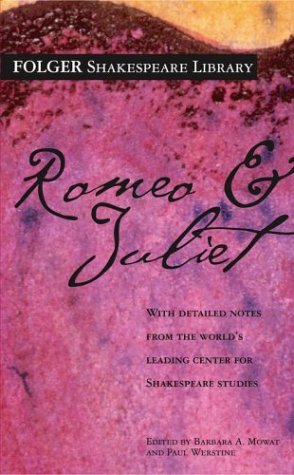
Shakespeare’s work here reads like a distilled drama of human contradiction: love and violence, chance and design, speech that soars and action that wounds. This play—set in Verona—remains instructive not because it tells us something entirely new about passion, but because it shows, with rare intensity and compression, how quickly language can conjure a world … Continue reading The Adaptable Educator’s Book Review – Romeo and Juliet by William Shakespeare

Revisionist Poetry – “Spring in Rags” – Beautiful Detritus, v.2
At winter’s end the thaw unfurls—snow sighs away, exposing mud:brown earth, matted jute, a coil of string,a seed packet emptied of its promise. The gardener’s tools—glove, snapped stake—lie like punctuation across the beds.Rain knits the ravelled twine to root;wind braids leaves into a new script. What was discarded reads as pattern:stalks turned brushstroke, burlap turned … Continue reading Revisionist Poetry – “Spring in Rags” – Beautiful Detritus, v.2
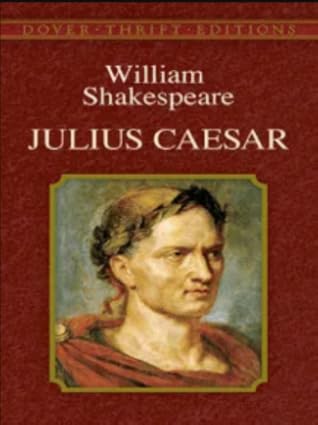
The Adaptable Educator’s Book Review – Julius Caesar by William Shakespeare
Shakespeare’s political tragedy is a compact, muscular probe into power, persuasion, and the moral costs of republican action. Read as a study of rhetoric and of the fragile psychology of honour, Julius Caesar refuses simple partisanship: it makes conspirators, orators, and crowds all culpable in a spiralling sequence whose logic is both inevitable and tragic. … Continue reading The Adaptable Educator’s Book Review – Julius Caesar by William Shakespeare
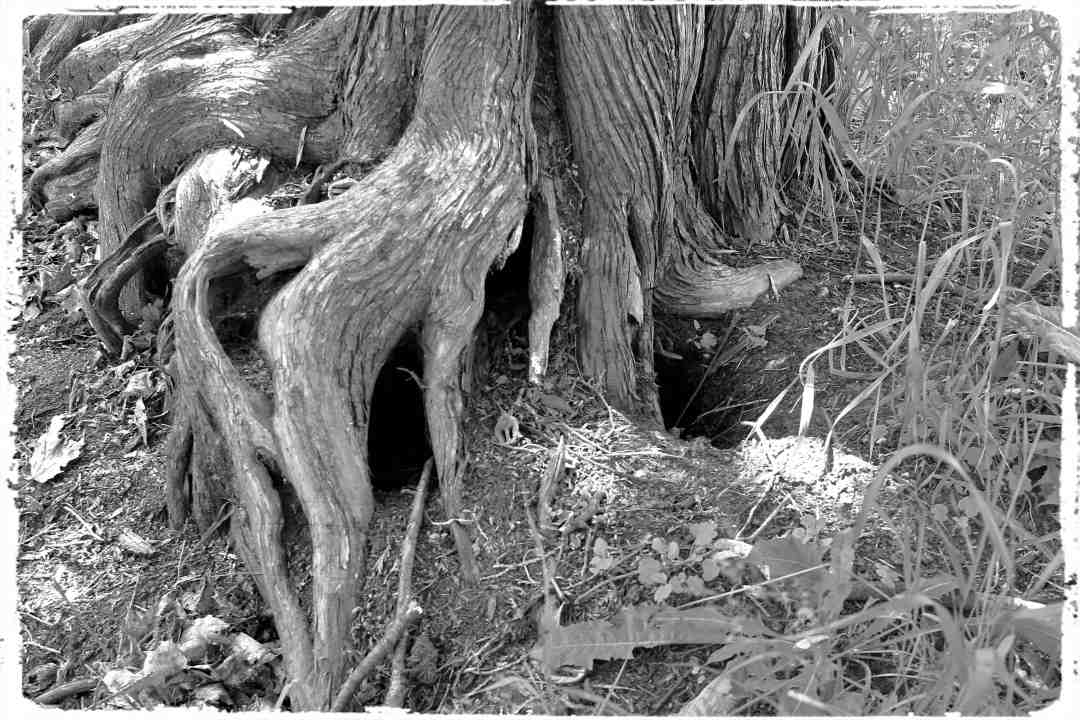
Revisionist Poetry – “Root-Voices” – Deep Roots, v.4
They came with metal mouths that sang.The trees folded like paper prayers.We waited until the machines slept. Hole-Wood smells of saw and salt.We call the stumps throatstones.We press our ears and the earth answers. deep voice:— we were columns, we held the sky.— we swallowed rain like coins.— we remember the names of every shadow. … Continue reading Revisionist Poetry – “Root-Voices” – Deep Roots, v.4
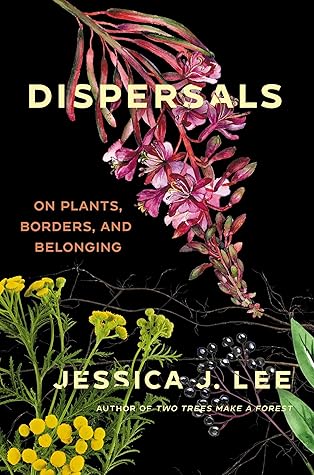
The Adaptable Educator’s Book Review – Dispersals: On Plants, Borders, and Belonging by Jessica J. Lee
In this spare, luminous collection, Jessica J. Lee knits together memoir, archival history, and ecological criticism to ask one persistent question: what do we mean when a living thing is said to be “out of place”? The book’s fourteen interlocking essays—ranging in register from close natural observation to cultural history—treat plants not as background scenery … Continue reading The Adaptable Educator’s Book Review – Dispersals: On Plants, Borders, and Belonging by Jessica J. Lee
Revisionist Poetry – “Mouth: A Child’s Voice” – Deep Roots, v.3
They camewith big hungry teeth —metal teeth that sangand breathed smoke. The trees felllike old men foldingtheir long bones.Sap ran slowfrom their necks,sticky and warm,and the ground tastedfunny after. We go thereafter the trucks sleep.We call it the Hole-Wood.Our sneakers whisperon sawdust snow. Stumps are mouths now.We press our earsand they hum.Sometimes they tell names … Continue reading Revisionist Poetry – “Mouth: A Child’s Voice” – Deep Roots, v.3
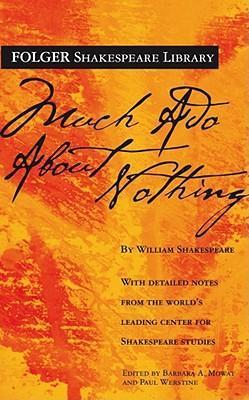
The Adaptable Educator’s Book Review – Much Ado About Nothing by William Shakespeare
Shakespeare’s comedy of contrasts stages wit against convention and spectacle against small-town culpability; its pleasures are both linguistic and structural. At surface level this is a deft romantic farce — two engagements, two styles of courtship — but the play’s durable power lies in how it forces laughter and moral discomfort to coexist. The result … Continue reading The Adaptable Educator’s Book Review – Much Ado About Nothing by William Shakespeare
Revisionist Poetry – “Elegy” – Deep Roots, v.2
They came with orange teeth and iron mouths,surveyors laughing in bright vests, chainsaws like hymns.Wood fell in slow, appalling arcs—husks breaking,old trunks toppling like small cathedrals collapsing.Sap ran red along the cuts, a ribbon of stolen blood;sawdust snowed the yards, white as a sudden cemetery. Where giants stood, there are stumps—circles of exposed grief—and in … Continue reading Revisionist Poetry – “Elegy” – Deep Roots, v.2

Revisionist Pedagogy – The Imperative of Integrating Social and News Media Literacy into Teacher-Preparation
Executive summary Thesis: Teacher-preparation programs must embed scaffolded, assessed social and news media literacy competencies so new teachers can teach students to evaluate, create, and ethically use digital media—strengthening classroom learning, civic resilience, and informed citizenship. Core proposal: A modular curriculum (5 modules + capstone/micro-credential) integrated into existing pedagogy courses, with performance assessments, equity adaptations, … Continue reading Revisionist Pedagogy – The Imperative of Integrating Social and News Media Literacy into Teacher-Preparation
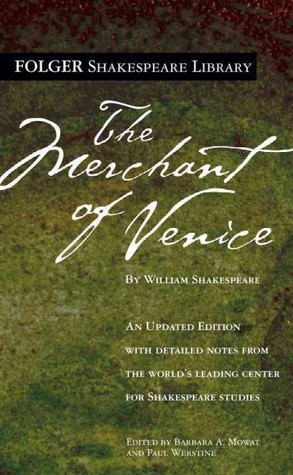
The Adaptable Educator’s Book Review – The Merchant of Venice by William Shakespeare
Few of William Shakespeare’s plays wear contradiction as visibly as this one. The Merchant of Venice is at once a brisk romantic comedy, a courtroom drama, and a text that forces readers and audiences to confront the social prejudices of its world. Its pleasures — verbal dexterity, structural neatness, tightly matched plot-lines — sit uneasily … Continue reading The Adaptable Educator’s Book Review – The Merchant of Venice by William Shakespeare
 The New Renaissance Mindset